Alternative - Last reviewed July 1, 2026
Gluten Free Soy Sauce Alternative
The best gluten-free soy sauce alternative depends on whether you need closest flavor, lower sodium, soy-free cooking, or a marinade substitute.
May contain gluten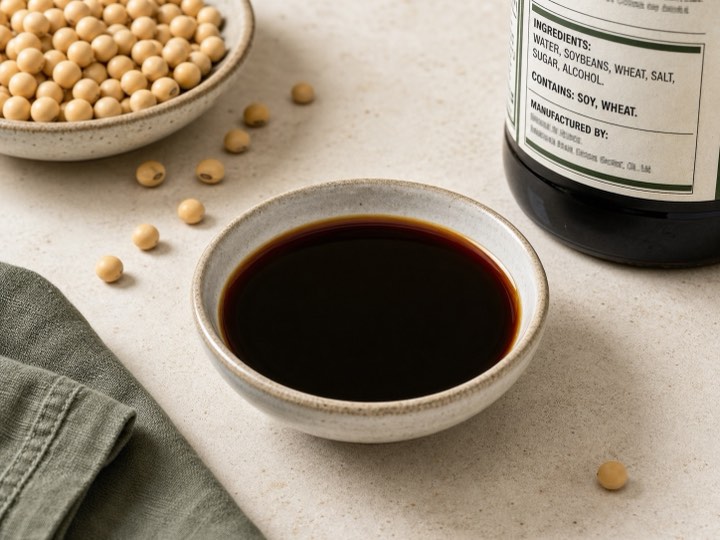
Direct answer
For the closest soy sauce replacement, start with a product labeled gluten-free or wheat-free tamari. For soy-free cooking, compare coconut aminos. For marinades, check seasoning blends and thickeners before using any substitute.
Use this page as a label-reading guide, then paste the exact ingredient list into the checker if the package wording is unclear or the product has changed.
Key takeaways
Wheat-free tamari is usually the closest flavor match.
Coconut aminos are sweeter and soy-free, not a perfect one-to-one flavor match.
Teriyaki and hoisin alternatives need their own label checks.
Best uses by substitute
Use gluten-free tamari for stir-fries and dipping, coconut aminos for soy-free recipes, and homemade sauce blends when you need tighter control over ingredients.
Cooking ratio
Start with a smaller amount when replacing soy sauce because gluten-free tamari and coconut aminos can differ in saltiness and sweetness.
Traditional soy sauce risk
Traditional soy sauce often uses wheat in brewing, so this alternative page starts from the assumption that regular soy sauce needs replacement unless the bottle is labeled gluten-free.
Price and where to buy
Price can vary widely between gluten-free tamari, coconut aminos, and specialty sauce blends. Use retailer listings as availability clues, then check the exact bottle label before purchase.
Checker use
Paste marinade, dipping sauce, and stir-fry sauce ingredient lists into the checker when the substitute includes flavorings, starches, or unclear seasoning blends.
Intent differentiation
gluten-free alternative comparison: Compare wheat-free tamari, coconut aminos, and gluten-free cooking substitutes for shoppers replacing traditional soy sauce.
- Cannibalization rule: Separate gluten-free substitute shopping, replacement checklist, and broader cooking-substitute intent.
- This page stays distinct from the other soy sauce alternative intent split pages by focusing on gluten-free alternative comparison.
- Compare wheat-free tamari, coconut aminos, and gluten-free cooking substitutes for shoppers replacing traditional soy sauce.
How to compare alternatives
Compare Gluten Free Soy Sauce Alternative by gluten-free label clarity, use case, allergen fit, flavor, price, and retailer availability.
- Match the substitute to the meal or snack job first.
- Check sauces, seasoning blends, and facility statements.
- Keep the affiliate disclosure near any product recommendation.
What to look for on the label
- Confirm gluten-free or wheat-free wording on the bottle.
- Check sodium, soy allergen needs, and added flavorings.
- Use separate checks for marinades, dipping sauces, and restaurant packets.
Recommendation notes
- Use product cards as label-check starting points, including Kikkoman Gluten-Free Tamari; approved retailer URLs are required before final outbound monetization.
- Paste the exact ingredient list into the checker when the package includes vague starches, flavors, sauces, oats, shared-equipment wording, or a changed formula.
Recommended gluten-free products
We may earn a commission when you buy through product links. Recommendations are editorial and should still be checked against the current package label.
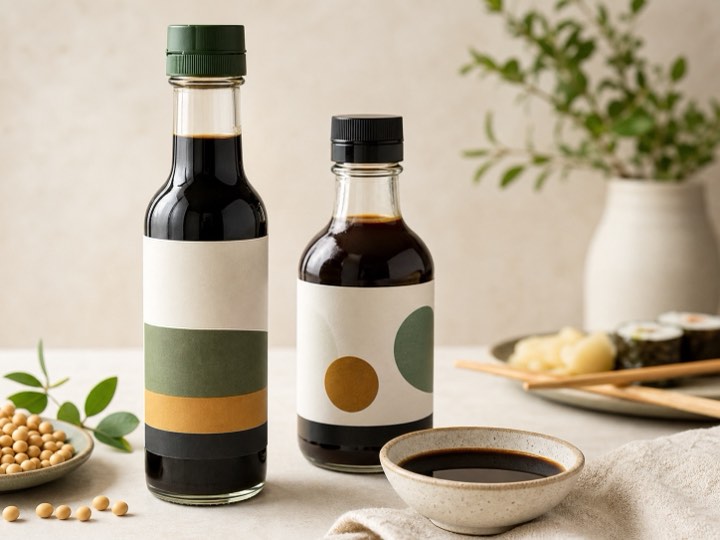
Kikkoman Gluten-Free Tamari
soy sauce alternativessoy sauce replacement
Useful comparison product for soy sauce pages because tamari is a common gluten-free replacement path.
Compare wheat-free tamari and allergen statements.Last checked 2026-07-01FAQ
What are good gluten-free alternatives for Gluten Free Soy Sauce Alternative?
Gluten Free Soy Sauce Alternative should be judged from the current ingredient list, gluten-free label, allergen statement, and manufacturer information. Our conservative result for this page is: May contain gluten.
What should I check on the label?
Check for wheat, barley, rye, malt, brewer's yeast, shared equipment notes, gluten-free claims, certification marks, and allergen statements.
When should I contact the manufacturer?
Contact the manufacturer when the label uses vague ingredients, the product is made on shared equipment, or the package does not clearly explain gluten-free handling.