Product / Brand - Last reviewed July 1, 2026
Gluten Free Frozen Pizza: Label Checklist and Picks
Gluten-free frozen pizza buying depends on crust ingredients, gluten-free label wording, topping sauces, and shared facility statements.
Likely gluten-free based on listed ingredients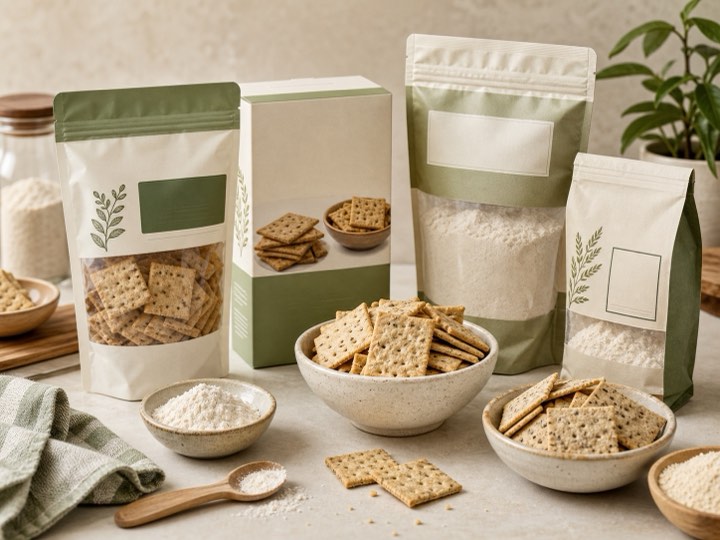
Direct answer
Choose frozen pizza that clearly says gluten-free on the package, then check crust flour, sauce, toppings, and facility statements. Pizza is a commercial page because the exact brand and package variant matter.
Use this page as a label-reading guide, then paste the exact ingredient list into the checker if the package wording is unclear or the product has changed.
Key takeaways
Crust is the main gluten risk, but toppings and sauces still matter.
Cauliflower crust is not automatically gluten-free.
Check every flavor separately within the same brand.
Quick picks criteria
The best frozen pizza page should rank products by label clarity, crust texture, topping risk, availability, and current package review instead of taste claims alone.
Cauliflower and thin crust caution
Cauliflower, rice, or thin crust language does not prove gluten-free status. Some crusts still include wheat or are made in mixed facilities.
Who each pizza fits
Use classic cheese pizzas for family pizza night, cauliflower crusts when texture and vegetable-forward crusts matter, and dairy-free gluten-free pizza only when the current package confirms both needs.
When to avoid or confirm
Avoid any frozen pizza when the crust lists wheat or barley, and contact the manufacturer when the package mentions shared facility handling without a clear gluten-free claim.
Where to buy
Retailer availability changes by region, so use product cards as a starting point and verify the exact flavor and package variant before buying.
Intent differentiation
frozen product shopping: Compare frozen pizza packages, toppings, crust labels, and retailer availability for freezer-aisle purchases.
- Cannibalization rule: Separate frozen product shopping, broad best-pizza comparison, dough flour, and crust-specific dietary constraints.
- This page stays distinct from the other pizza product, flour, and crust split pages by focusing on frozen product shopping.
- Compare frozen pizza packages, toppings, crust labels, and retailer availability for freezer-aisle purchases.
Buying criteria
Evaluate Gluten Free Frozen Pizza by gluten-free wording, certification context, ingredient risk, allergen fit, package variant, and current retailer listing.
- Check every flavor or format separately.
- Avoid safety assumptions from product category names.
- Confirm package labels before treating a product as suitable.
What to look for on the label
- Look for wheat flour, barley malt, brewer's yeast, or wheat starch in the crust.
- Check pepperoni, sausage, sauce, and seasoning blends for wheat or malt.
- Compare gluten-free claim wording and certification marks across flavors.
Recommendation notes
- Use product cards as label-check starting points, including FRESCHETTA Gluten Free Four Cheese Pizza and CAULIPOWER Cauliflower Pizza Crust; approved retailer URLs are required before final outbound monetization.
- Paste the exact ingredient list into the checker when the package includes vague starches, flavors, sauces, oats, shared-equipment wording, or a changed formula.
Recommended gluten-free products
We may earn a commission when you buy through product links. Recommendations are editorial and should still be checked against the current package label.
FRESCHETTA Gluten Free Four Cheese Pizza
frozen pizzafrozen pizza night
Useful comparison product for frozen pizza pages because shoppers need package-level gluten-free label and crust checks.
Confirm the exact Gluten Free Four Cheese package and current allergen statement.Last checked 2026-07-02CAULIPOWER Cauliflower Pizza Crust
pizza crustpizza crust swaps
Useful comparison product for pizza crust pages because cauliflower crusts still need current gluten-free label checks.
Review the current crust package, allergen statement, and preparation instructions.Last checked 2026-07-02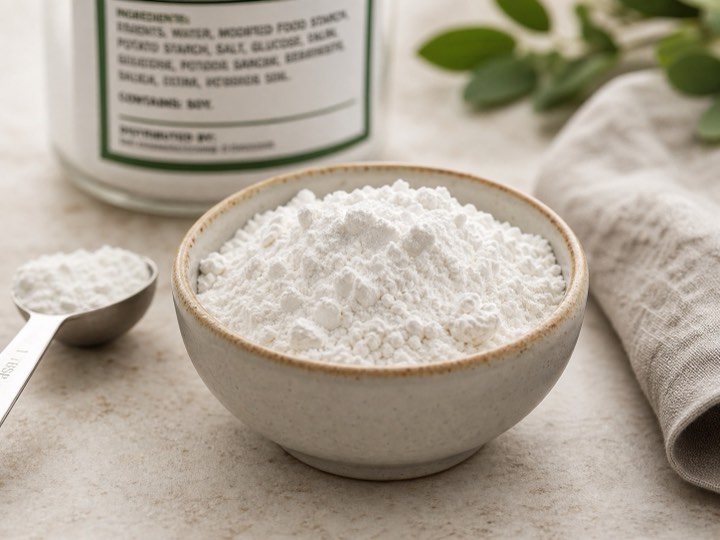
King Arthur Measure for Measure Flour
baking mixes and flour blendsbaking mix replacement
Useful comparison product for baking pages because flour blends vary by starches, gums, and label wording.
Review flour blend ingredients and xanthan gum needs.Last checked 2026-07-01FAQ
How should I choose Gluten Free Frozen Pizza?
Gluten Free Frozen Pizza should be judged from the current ingredient list, gluten-free label, allergen statement, and manufacturer information. Our conservative result for this page is: Likely gluten-free based on listed ingredients.
What should I check on the label?
Check for wheat, barley, rye, malt, brewer's yeast, shared equipment notes, gluten-free claims, certification marks, and allergen statements.
When should I contact the manufacturer?
Contact the manufacturer when the label uses vague ingredients, the product is made on shared equipment, or the package does not clearly explain gluten-free handling.