Ingredient Q&A - Last reviewed July 1, 2026
Is Modified Food Starch Gluten Free?
Modified food starch needs context. In U.S. packaged foods, wheat must be declared when it is the source, but vague labels can still require manufacturer confirmation.
Needs manufacturer confirmation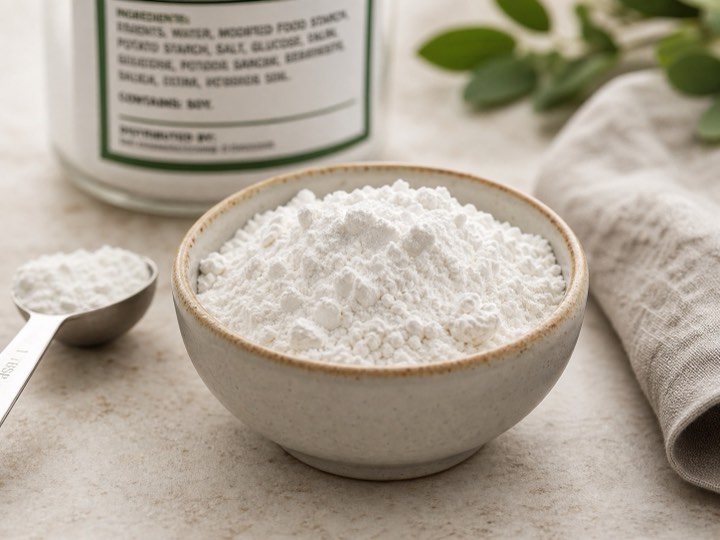
Direct answer
Modified food starch is not automatically a gluten ingredient. In U.S. packaged foods, a wheat source must be declared when wheat is used, but the checker still treats vague starch wording as Needs manufacturer confirmation when the package does not clearly identify the source or gluten-free handling.
Use this page as a label-reading guide, then paste the exact ingredient list into the checker if the package wording is unclear or the product has changed.
Key takeaways
Modified food starch can come from corn, potato, tapioca, or wheat.
In U.S. labels, wheat source disclosure is the key check.
If the source is vague and there is no gluten-free claim, contact the manufacturer.
What modified food starch means
Modified food starch describes a processed starch used for texture, thickening, or stability. The gluten question depends on the starch source and the package's allergen disclosure.
Why U.S. labels are different
For U.S. packaged foods, wheat is a major allergen and must be declared when it is the source. That makes the allergen statement important, but it does not replace gluten-free certification or manufacturer process details.
How the checker handles it
The checker assigns Needs manufacturer confirmation to vague starch terms because it cannot verify source, supplier changes, or facility controls from the words alone.
Why the label matters
Is Modified Food Starch Gluten Free can only be screened from the current ingredient list, allergen statement, gluten-free claim, and manufacturer information. The page risk level is Needs manufacturer confirmation.
- Start with the ingredient list and allergen statement.
- Check gluten-free claims and certification marks separately.
- Use manufacturer confirmation when source or facility wording is vague.
What to look for on the label
- Look for modified food starch followed by wheat or an allergen contains statement.
- Check whether the product has a gluten-free claim or certification mark.
- Ask the manufacturer for the starch source and cross-contact controls when wording is vague.
Recommendation notes
- Use product cards as label-check starting points, including Bob's Red Mill Gluten Free Oats and Kikkoman Gluten-Free Tamari; approved retailer URLs are required before final outbound monetization.
- Paste the exact ingredient list into the checker when the package includes vague starches, flavors, sauces, oats, shared-equipment wording, or a changed formula.
FAQ
Is modified food starch always gluten-free?
No. It depends on the source and label context. Corn, potato, and tapioca starch are different from wheat-derived starch.
Does wheat have to be listed in U.S. packaged foods?
When wheat is the source, U.S. packaged foods must disclose wheat as a major allergen. Still check gluten-free claims and manufacturer details.
Why does the checker ask for manufacturer confirmation?
The checker cannot verify source changes or facility controls from a vague starch phrase alone.